Skip to content

Follow the evidence.

Original research on how AI searches, what it cites, and which brands it recommends. Read the findings, inspect the method, use the data.

Studies published
13
Citation appearances indexed
80.8M
Data and methods
Open

Latest studyStudy 013 ·

Zombie stats: where the numbers AI quotes come from

We asked ChatGPT, Perplexity, Gemini, Claude and Google AI Overviews 200 questions that call for a number, then followed every statistic they quoted back to its source. Four in ten reached a study that says the same thing.

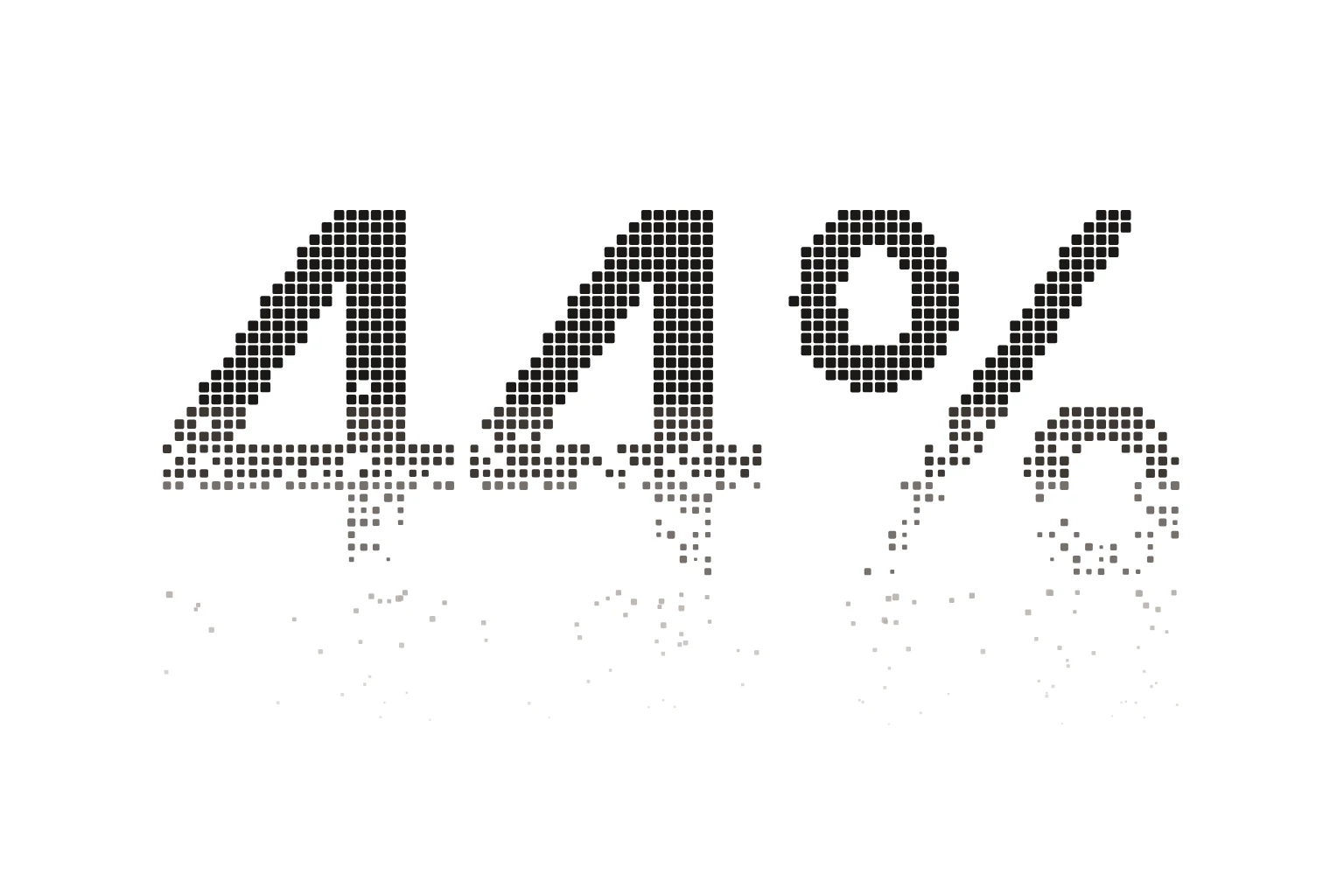
40%of the statistics AI quotes lead back to a study that says the same thing. The rest changed, can’t be seen or lead nowhere.

Read the study

Three findings to start with.

The results people ask us about most, each drawn from its study’s own data.

How long does an AI citation last?

Cited URLs still cited, by day since first seen
DayStill cited
First seen100.0%
Day 135.1%
Day 233.9%
Day 332.9%
Day 530.7%
Day 728.8%
Day 1025.8%
Day 1422.8%

73.5%of 108,650 cited URLs appeared on a single day only. Fewer than half are still cited the next day.

Study 009The half-life of AI citations

How many cited sites have llms.txt?

13.3%of AI-cited domains have the file. Neither citation test shows what adding it would cause.

Study 005The llms.txt effect

Every study.

Thirteen studies, newest first. Each has its own sample, method and limits.

13 studies

  1. Study 013: Zombie stats: where the numbers AI quotes come from

    We asked ChatGPT, Perplexity, Gemini, Claude and Google AI Overviews 200 questions that call for a number, then followed every statistic they quoted back to its source. Four in ten reached a study that says the same thing.

    Citations

  2. Study 012: We found our competitors’ AI prompt strategies in Search Console

    We decoded 3,476 structured Search Console queries that revealed buyer personas, competitor sets, markets and evaluation rules used in AI visibility tracking.

    AI behaviour

  3. Study 011: Cited, not chosen

    An exploratory benchmark separating AI citation from recommendation and measuring how recommendation rates change around a brand page's first observed citation.

    Citations

  4. Study 010: Do AI crawlers prefer Markdown?

    Live randomized experiment measuring whether Markdown changes AI crawler coverage, retrieval demand, and transfer efficiency.

    Crawlers

  5. Study 009: The half-life of AI citations

    Longitudinal citation persistence and visibility volatility benchmark behind the Citation Decay study.

    Citations

  6. Study 008: The anatomy of an AI citation

    Benchmark of the content, schema, authorship, and structural traits shared by AI-cited pages.

    Content

  7. Study 007: AI recommendation poisoning

    Benchmark of websites embedding hidden prompts that attempt to influence AI chatbot citation and memory behavior.

    AI behaviour

  8. Study 006: AI crawls your product pages. It cites your blog.

    Page-type citation efficiency benchmark cross-referencing AI citations with AI crawler visits.

    Content

  9. Study 005: The llms.txt effect

    llms.txt adoption and citation-impact benchmark across AI-cited domains.

    Crawlers

  10. Study 004: Same question, different AI, different answers

    Cross-model agreement benchmark showing how often AI systems recommend the same brands for the same prompts.

    AI behaviour

  11. Study 003: When AI comes to your website

    AI crawler behavior benchmark covering traffic share, entry pages, session depth, and revisit patterns.

    Crawlers

  12. Study 002: How AI translates your questions

    Prompt-to-search-query rewrite benchmark showing how AI systems transform user questions before retrieving sources.

    AI behaviour

  13. Study 001: What sites do ChatGPT, Perplexity and Google cite?

    Public AI Citation Index covering 80.8M citation appearances, domain concentration, source categories, prompt intent, and explicit coverage limits.

    Citations

Have a question worth testing?

Bring your expertise and audience. We can help turn a useful question about AI search into a sourced study.

Publish research with us